Fed Day Tape. Yields, Oil, and Breadth Still Beat the Slogan.
Before and after 2 p.m. Eastern, score the 10-year, crude, the dollar, and equal-weight breadth. The first headline is not the trade. Agreement across dials is.
Decision day has a ritual. Futures twitch. Headlines fire. Someone declares the whole market "priced in" about ninety seconds after the statement hits.
Ignore that ritual.
The useful money idea on Fed day is mechanical. Build a small scoreboard and make the tape argue with itself.
Four dials that still matter
1. The 10-year yield.
Equity index futures can bounce on a hold while the 10-year keeps climbing. That is not confirmation. That is duration stress wearing a green hat. If yields jump on hawkish language, rate-sensitive corners usually feel it before the narrative desk finishes the first paragraph.
2. Oil.
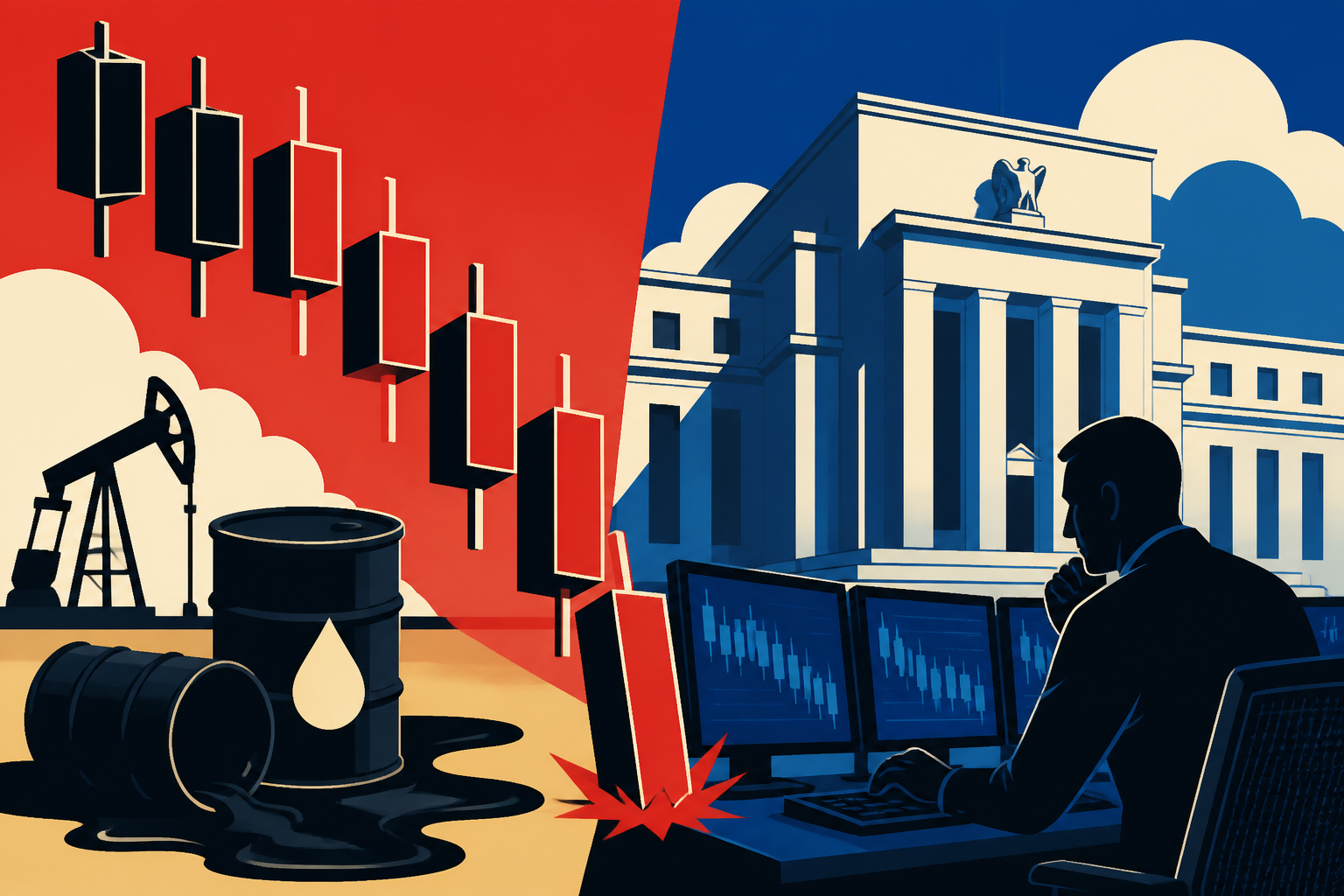
Energy prices have been the inflation footnote all month. If crude is firm into and after the print, "transitory" stories get harder to tell in the press conference. You do not need a view on inventory builds. You need to know whether oil is helping the hawk case or not.
3. The dollar.
A hawkish hold that lifts the dollar is a different global tape than a calm hold that softens it. Export-heavy earnings, emerging-market stress, and commodity pricing all ride that channel whether cable mentions it or not.
4. Breadth.
Index level is a billboard. Equal-weight and advance-decline behavior are the engine room. Narrow leadership into a Fed print is fragile. If five names carry the S&P and the average stock is soft, treat strength as rented until breadth joins.
Optional fifth dial if you run a simple macro sleeve: TLT or a short-duration vs long-duration pair. You want a clean pulse on how the bond market heard the adjectives.
How to use the scoreboard
Before 2:00 p.m.
Write the levels. Not targets. Levels. Where is the 10-year, WTI, DXY, and a quick breadth read on the open? Decide in advance what combination would make you trust a post-Fed equity bounce.
At the release.
Read the full statement. Hold versus hike is the first line. Inflation and labor language is the second. Balance-of-risks tone is the third. There is no new dot plot today, so the text carries more weight than usual.
From 2:00 to about 2:20.
Let the machines finish their first pass. Then check whether yields, the dollar, and oil agree with the index move. Agreement is information. Disagreement is a warning label.
Press conference (2:30).
One sentence can undo a tidy statement bounce. Listen for energy prices, wages, and whether the Chair keeps a live hike option without needing a new forecast chart.
What this is not
It is not a day-trading system. It is not permission to size up into volatility for its own sake. It is a filter so you do not outsource your read to the loudest headline.
Fed days punish people who confuse the first print with the final story. They reward people who already knew which dials had to confirm.
Mark the board. Wait for agreement. Then decide whether the afternoon is a trade, a trim, or a deliberate sit on hands.
Process over slogan. Every time.
More from Trading